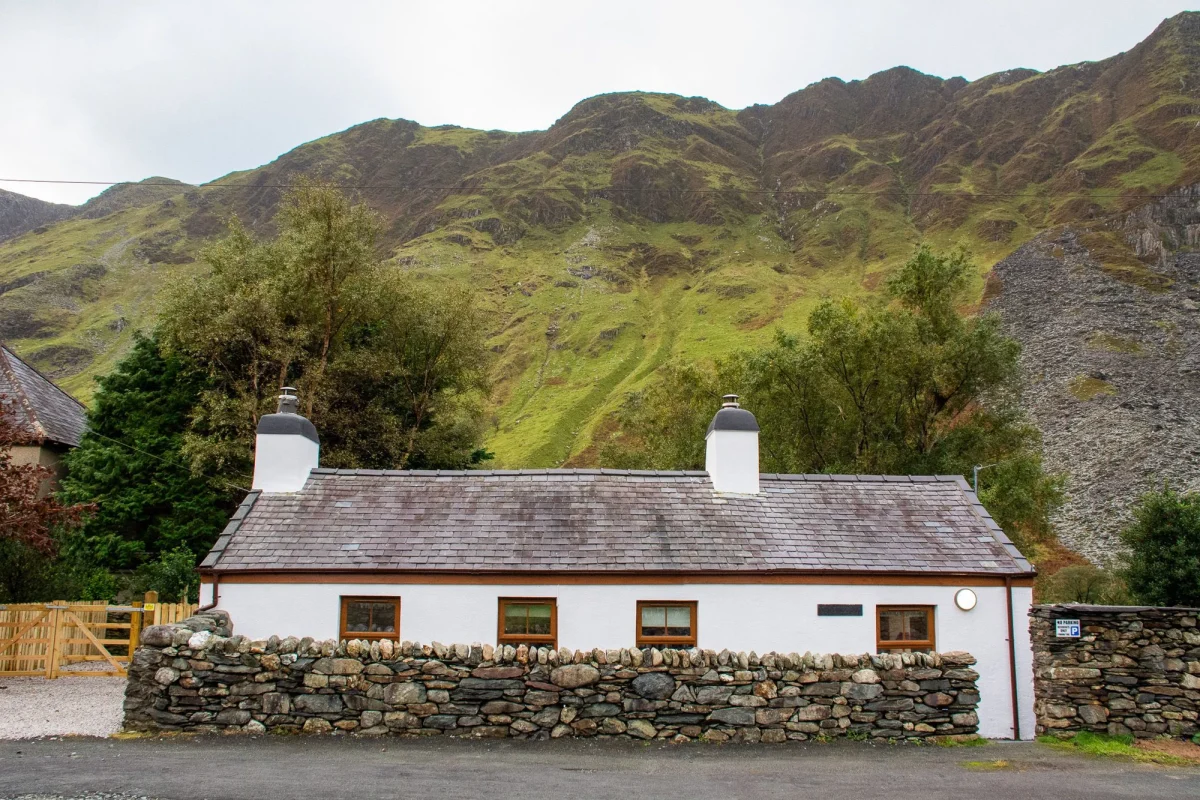
Climbing Mount Snowdon | Yr Wyddfa: A Visitor's Guide
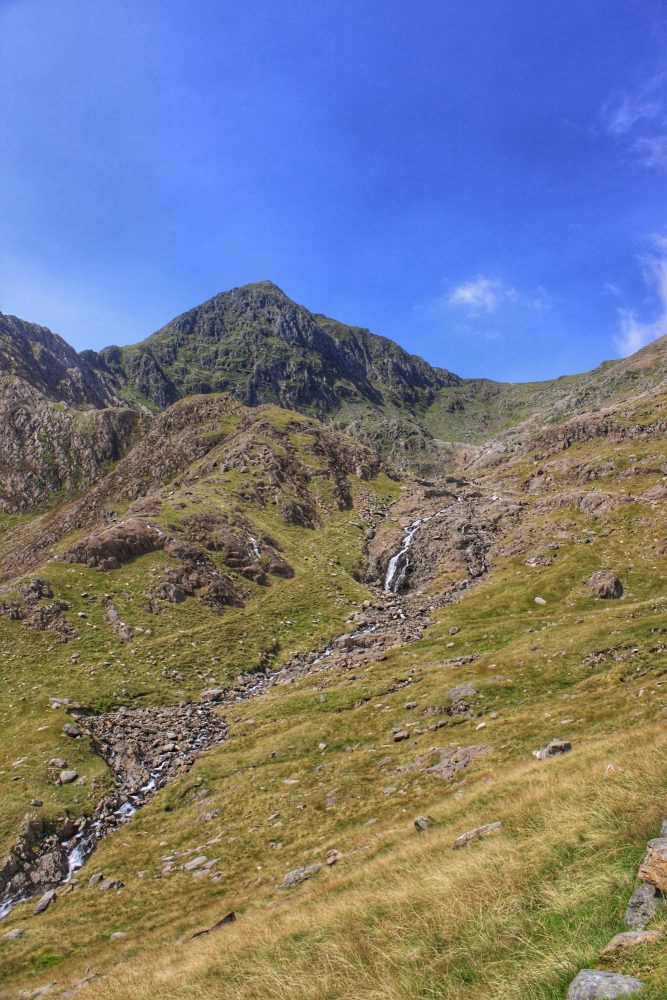
Sitting pretty at the heart of North Wales and attracting more than 600,000 people each year, Mount Snowdon, or Yr Wyddfa as we call it locally, is an iconic emblem of our country. The peak is famed for many things, from being the highest mountain in Wales (and the highest in the UK outside the Scottish Highlands) to serving as the training ground for the first team to summit Everest in 1953. Climbing Mount Snowdon is a common bucket-list item for people near and far, which is why we’ve put together this guide containing everything you need to know.
When is the best time to climb Mount Snowdon?
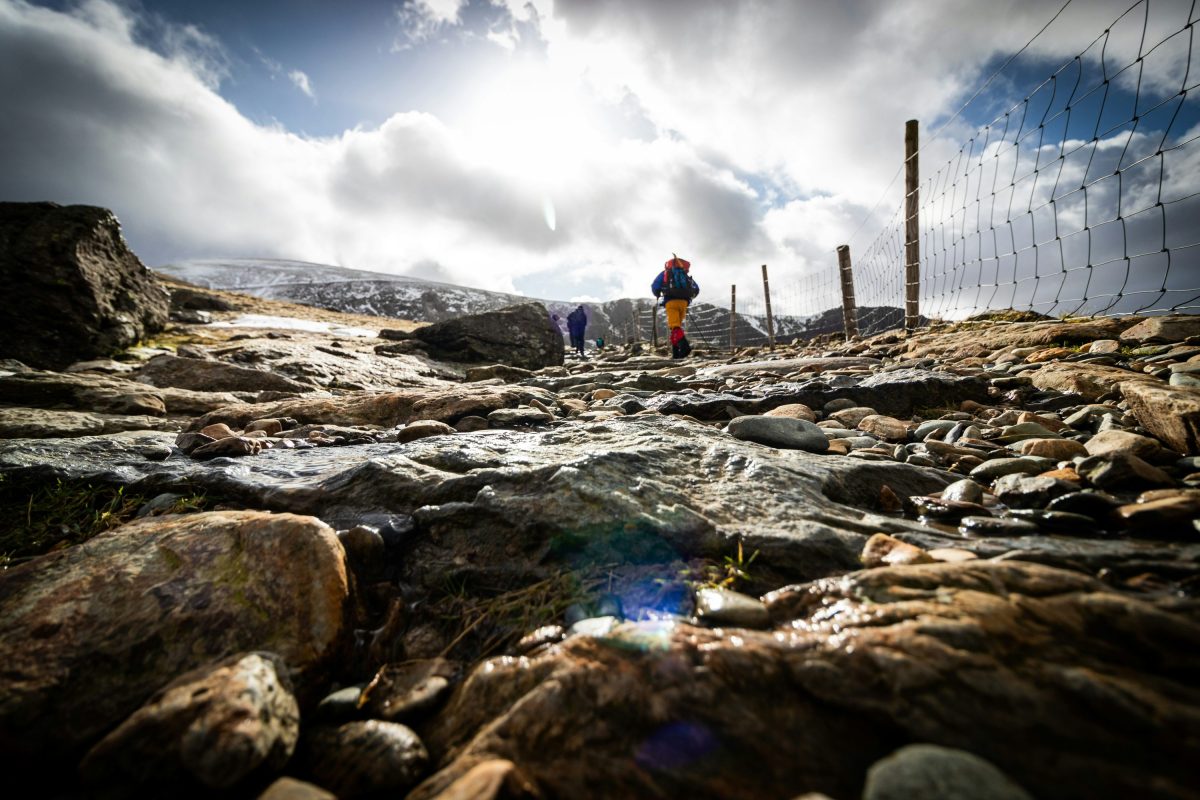
If you want to avoid crowds but still enjoy the stunning views while summiting Mount Snowdon, the best time to do it is on a weekday morning during the shoulder season months of May, June, September and October. However, if you’re not bothered about crowds and want the best possible weather, August is the most popular month.
Regardless of when you choose to climb Snowdon, the most important factor to consider is the weather – conditions change very fast in the mountains, so you should keep one eye on the forecast, wear sturdy footwear and pack extra layers.
Which is the best route up Mount Snowdon?
There are six Mount Snowdon routes to choose from, which vary in difficulty and length. It’s important to note that all tracks are technically classed as hard to strenuous, as you are scaling a mountain. A good level of fitness and the appropriate footwear and clothing are essential no matter which option you choose. Here are each of the routes in a nutshell
- Llanberis Path: The easiest and the longest route at 9 miles with a gradual ascent of 975m. Walkers set out and finish at the far end of Victoria Terrace near the centre of Llanberis, where there are plenty of carparks. This takes approximately 7 hours and is the most suitable walking option for families.
- Miners’ Track: The Miners’ track starts out quite leisurely along a bridleway but then racks up 723m of ascent in a relatively short stretch. It spans 8 miles in total and takes around 6 hours. Parking at Pen-y-Pass Car Park (LL55 4NY) must be pre-booked from April to October, or you can hop on the Sherpa bus.
- Pyg Track: The shortest route at 7 miles, the Pyg Track climbs the flank of the mountain above the Miners’ Track. It’s rockier underfoot from the start, while the Miners’ Track begins gently and saves most of its climbing for the end. Both routes join for the steep zig-zag section below the summit, which requires caution. It climbs 723m, takes around 6 hours, and shares a car park with the Miners’ Track.
- Watkin Path: The Watkin Path is famous for its ‘infinity pools’ which attract walkers, wild swimmers and even influencers – however, the path itself is strenuous, climbing 1015m in just 8 miles and taking around 6 hours. Parking is available at Pont Bethania Bridge Car Park, Nant Gwynant, off the A498 (LL55 4NL.)
- Rhyd Ddu Path: Ascending the western slopes of the Snowdon massif, the Rhyd Ddu path climbs gradually before ramping up the difficulty along rocky terrain to the Llechog Ridge. It is 8.5 miles in total and climbs 895m. The start and finish point is the Pay and Display Rhyd Ddu Car Park (LL54 6TN.)
- Snowdon Ranger: The Snowdon Ranger path sets out from Llyn Cwellyn along a leisurely bridleway before ascending steeply above Clogwyn Du’r Arddu and merging with the Llanberis Path to the summit. It’s 8 miles long in total and takes around 6 hours. It starts/finishes at Llyn Cwellyn Car Park, off the A4085 (LL54 7YT.)
For more information on the Mount Snowdon routes & difficulty, take a look at the extensive information available from Visit Snowdonia.
Taking the train up Snowdon – The Mount Snowdon Train
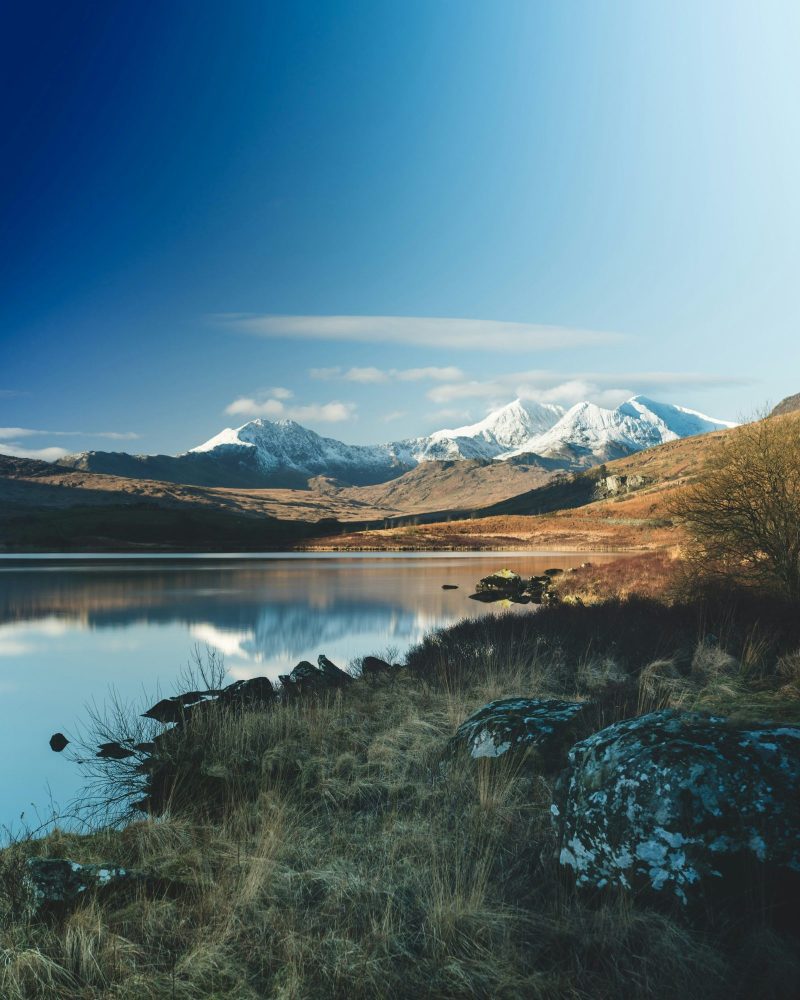
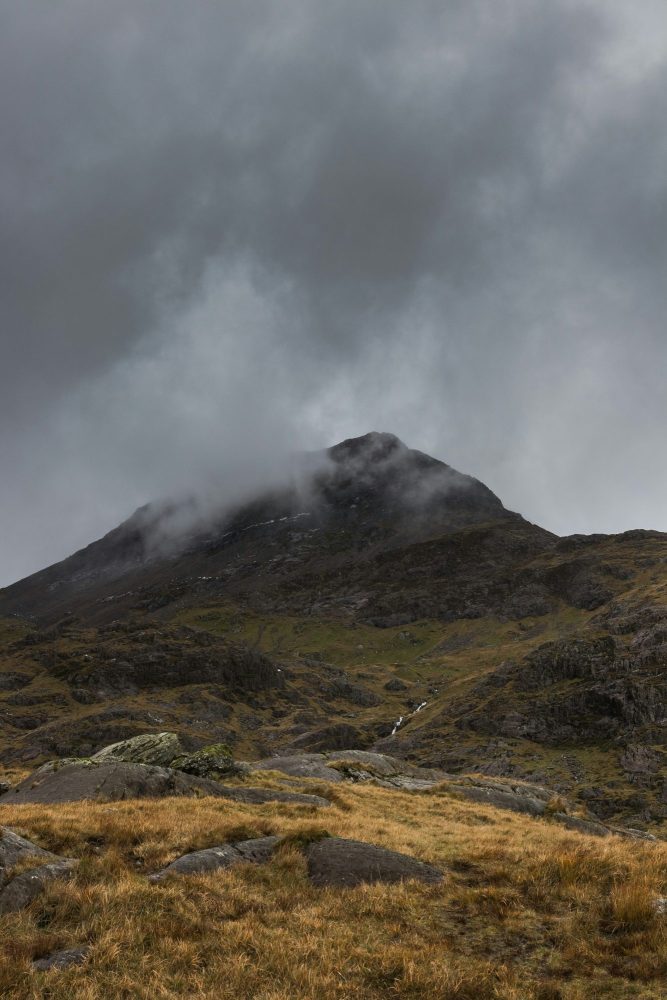
If you want a different kind of adventure to the summit of Yr Wyddfa, the Snowdon Mountain Railway allows you to conquer the mountain by train. Constructed between 1894 and 1896, the heritage railway takes passengers from Llanberis Station, ascending through stunning scenery and past historic buildings until you reach Hafod Eryri, the summit station with a cafe and gift shop.
The trains only run between May and October, with some diesel services travelling to a lower station during March and April. Find out more information and book your tickets below.
Climbing Mount Snowdon: Important things to know
Climbing Yr Wyddfa is no walk in the park. BBC Countryfile lists it among Britain’s deadliest mountains, and Eryri National Park sees an average of around eight deaths a year. Llanberis Mountain Rescue Team, the volunteer team that covers Yr Wyddfa, responded to around 360 callouts in 2025, almost one a day, making it one of the busiest rescue teams in England and Wales.
The biggest cause of callouts is human error. To avoid putting yourself and others at risk, it’s imperative to ask yourself the following questions before attempting to summit Yr Wyddfa:
Am I wearing the right gear?
It’s not unheard of for rescue teams to attend to people wearing crocs on the mountain, or those wearing other unsuitable clothing. Ensure you’re wearing a good pair of sturdy walking boots or hiking shoes, along with layers suitable for a range of conditions. You should also pack a first aid kit, snacks, headtorch and plenty to drink.
Have I checked the weather conditions?
The weather conditions at sea level can be far, far different to those on the mountain and around the summit. Make sure to keep checking the dedicated Met Office page for updates and hazards. If things look risky – call it off, the mountain isn’t going anywhere! Start early, too. Check the sunset time and allow plenty of daylight to get back down, especially in autumn.
Can I complete my walk without relying on an app or my phone?
Don’t make the mistake of solely relying on your phone for directions when climbing Snowdon. Make sure you research the terrain and the appropriate route for your knowledge and skill level, taking hard copies of OS maps and a compass as a backup. That said, your smartphone is a powerful tool and should be taken with you, as it can help people locate you in the event of an emergency.
Do I know who to call in the event of an emergency?
Should things go wrong and you or someone else become in need of emergency assistance while on the mountain, call 999 or 112 and ask for the Police, then Mountain Rescue. With that in mind, make sure a friend or family member knows about your plans, and avoid going out alone.
Climbing and Visiting Mount Snowdon – FAQs
Each official route up Snowdon has a dedicated carpark, apart from the Llanberis Path, for which you can use any of the carparks in and around Llanberis. For the others, see below:
Miners’ Track: Pen-y-Pass Car Park (LL55 4NY)
Pyg Track: Pen-y-Pass Car Park (LL55 4NY)
Watkin Path: Pont Bethania Bridge Car Park, Nant Gwynant, off the A498 (LL55 4NL.)
Rhyd Ddu Path: Rhyd Ddu Car Park (LL54 6TN.)
Snowdon Ranger Path: Llyn Cwellyn Car Park, off the A4085 (LL54 7YT.)
All carparks are payable and must be prebooked during peak months. Alternatively, plan your parking for elsewhere and use the Sherpa Bus!
Yr Wyddfa is the Welsh name for Snowdon. It translates to ‘the tomb’ which is connected to our folklore of King Arthur defeating the fierce giant Rhita Gawr, who lived on the mountain, with the stone cairn at the mountain summit representing the giant’s grave. You can use whichever name you prefer, but a little bit of Cymraeg goes a long way! It is pronounced “uhr-with-va”.
None of the routes up Yr Wyddfa are particularly ‘easy’ because they all climb up the mountain, however, the Llanberis Path has the most gradual ascent and a clear, navigable path.
Snowdon has an elevation of 1085 metres – that’s about 247 double-decker busses stacked on top of one another, or an extra 257m higher than the world’s tallest building, the Burj Khalifa.
Yes – in the right conditions, climbing Snowdon on one of the marked trails is perfectly safe. However, during winter, in times of fog or without adequate clothing or knowledge, it can quickly become deadly.
Most of the routes up Snowdon take around 7 – 8 hours up and down. It’s therefore a good idea to set aside an entire day to enjoy the adventure.
No! Like all the best things in life, climbing Snowdon is free.
Snowdon is the mountain, while Snowdonia is the National Park in which it sits. In Welsh, Yr Wyddfa is the mountain, and Eryri is the name for the national park. ‘Yr Wyddfa’ means ‘the tomb’ and is connected to Welsh folklore, while Eryri is a historical word for ‘the highlands’ or ‘place of the eagles.’
Yes – the Snowdon Railway takes passengers to the summit of Snowdon from May to October, but it is entirely weather dependent. For more info, visit Snowdon Railway.
You should be fit and healthy to walk up Snowdon – all tracks have an ascent of over 700m and will require you to be on your feet for around 8 hours.
The Watkin Path is known for its enchanting pools along the way, but there are so many more (and much more easily accessible) waterfalls in Snowdonia! Take a look at our waterfalls guide here.
Cottages near Mount Snowdon | Stay with Oyster
Imagine spending the day ascending England & Wales’ tallest mountain before returning to a cosy cottage or a handsome house, perhaps slipping into a hot tub to soothe tired muscles, or warming up beside the fire as you sip on something delicious. Climbing Yr Wyddfa is a rewarding and scenic experience that everyone should enjoy, and many of our cottages are conveniently close by. Book your stay with us below.