The 11 Best Castles to Visit in North Wales
North Wales is home to one of the highest concentrations of castles anywhere in Europe, and most visitors don’t realise it until they arrive! From UNESCO World Heritage Sites to mystical ruins that tower over the Irish Sea, the castles of North Wales offer a glimpse into the past and bring regional folktales to life. Below, we’ve rounded up 11 unmissable castles to visit in North Wales, along with some essential information like where to stay nearby, what other things you can do nearby, and where you can park.
The concentration of castles in our corner of Wales is mostly down to the conflicts between the Welsh and the English crown. For more than 350 years, these lands saw hundreds of fierce battles between native Welsh princes and invading English forces. Throughout history, castles and fortresses were used to protect territories from invaders, and the geography of North Wales also meant that many castles could safely receive their supplies by river or sea. Many of the castles in this area were actually built by order of King Edward I, who sought to conquer Wales with his ‘Ring of Iron’ throughout the 13th Century. Some of the castles in this list form part of the ‘Ring of Iron,’ while others have been used as private homes and ancestral seats.
The story behind the Ring of Iron originates in the 13th century, when relations in Wales were hostile. Not only were the Welsh fighting against the English crown, but they also fought among themselves. This internal conflict came to an end when Llywelyn the Great united the fragmented regions of Wales, getting everyone to agree on one common enemy – the English invaders trying to take their land. This solidarity continued into the third generation of Llywelyns, with Llywelyn the Last even having his title as King of Wales recognised by the English King Henry III in 1267. But then, in 1272, Henry died, and a new nemesis emerged – King Edward I.
Following a chain of conflicts between the two Kings, Edward launched a ferocious campaign to drive the Welsh back into their heartland of Gwynedd. Facing overwhelming odds, Llywelyn was forced to sign a peace treaty, leaving him with limited power and territory until he was eventually killed in a skirmish in 1287. With Llywelyn’s death, the idea of an independant Wales was quashed. Around this time, Wales saw its greatest period of castle-building, with Edward’s ‘Iron Ring’ of ten castles already underway.
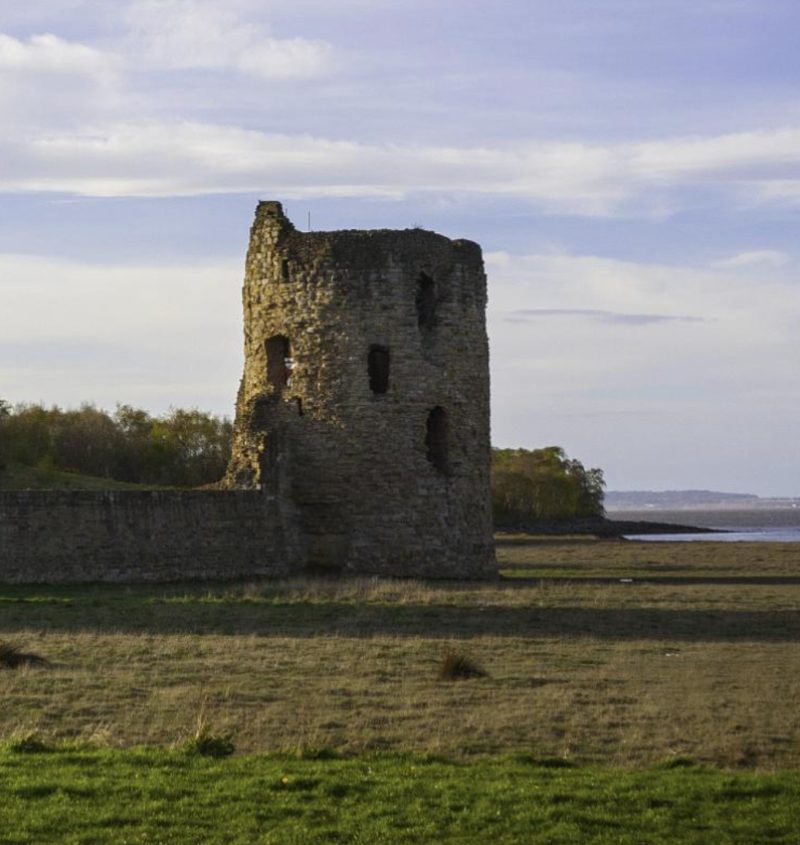
Flint Castle
Constructed: Between 1277 and 1284
Location: CH6 5PH – Flint Castle sits in the northeast of Wales, just a few miles from the English border.
Best For: History and wildlife enthusiasts – there’s not much here for families or little ones, but the ancient architecture is surprisingly sophisticated, and the grounds offer an enjoyable walk with picnic areas.
Important information: Flint Castle is free to enter and dogs are welcome on the ground floor levels. Parking is available at Castle Dyke St, Flint CH6 5XA. Alternatively, there is further parking on Castle Street, opposite the entrance to Castle Park Industrial Estate.
The first castle of Edward I’s ‘Ring of Iron’ to be constructed, Flint Castle is dominated by the great tower at its east corner, which looks out over the Dee Estuary. With a moat and a drawbridge, this imposing fortress features exceptionally thick walls and even features as a setting in Shakespeare’s Richard II.
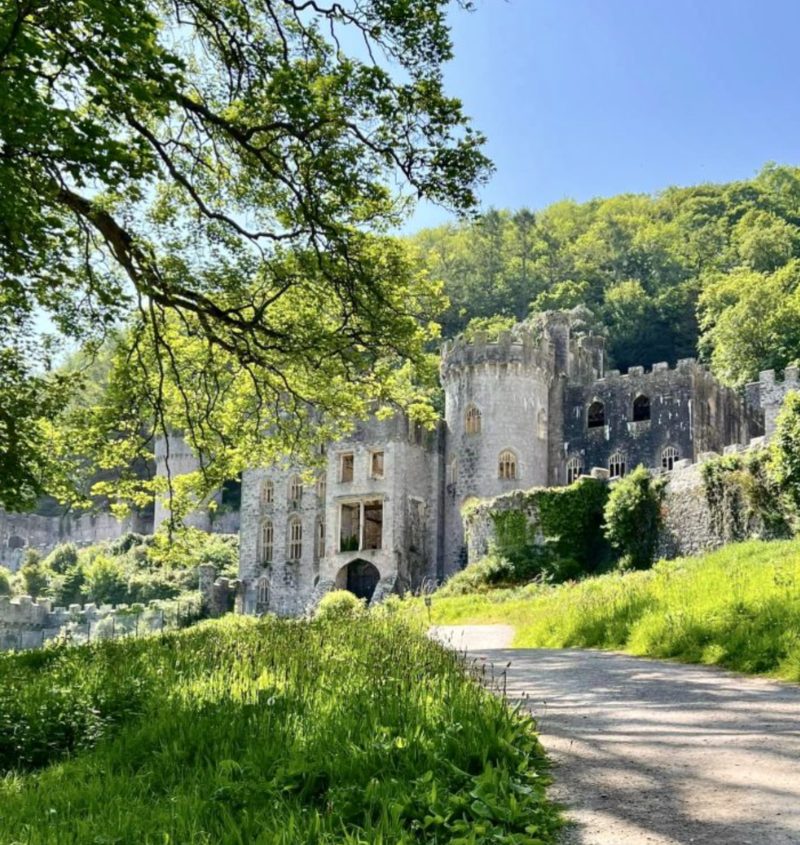
Gwyrch Castle
Constructed: Between 1812 & 1822
Location: LL22 8ET – Gwyrch Castle sits in a scenic spot in the Conwy County Borough, immediately west of the market town of Abergele.
Best For: Family days out – the castle is a popular visitor attraction with gardens, events, and even props left over from its time as host venue for the 2020 & 2021 I’m a Celebrity series. It’s also ideally situated for visiting the beachfront at Abergele, and the nearby attraction, Manorafon Farm Park, should you want to make a day of it.
Important information: Gwyrch Castle has an admission fee to enter, with paid parking also available onsite. Dogs are allowed in both the interior and exterior areas as long as they are kept on a lead at all times. Temporary toilets are available onsite, but the castle does not presently have running water, so do keep this in mind before and during your visit.
Gwyrch Castle is dripping with intriguing history – sitting in extensive grounds of over 250 acres, the ‘castle’ is actually a Grade I Listed country house built on the site of a former Elizabethan House named Y Fron. Constructed by Lloyd Hesketh Bamford-Hesketh as a memorial to his mother’s ancestors, the house has played host to a plethora of inhabitants, including 200 Jewish children during WWII and raucous motorcycle festivals. Today, it’s owned and operated by the Gwyrch Castle Trust, who are in the process of an extensive restoration.
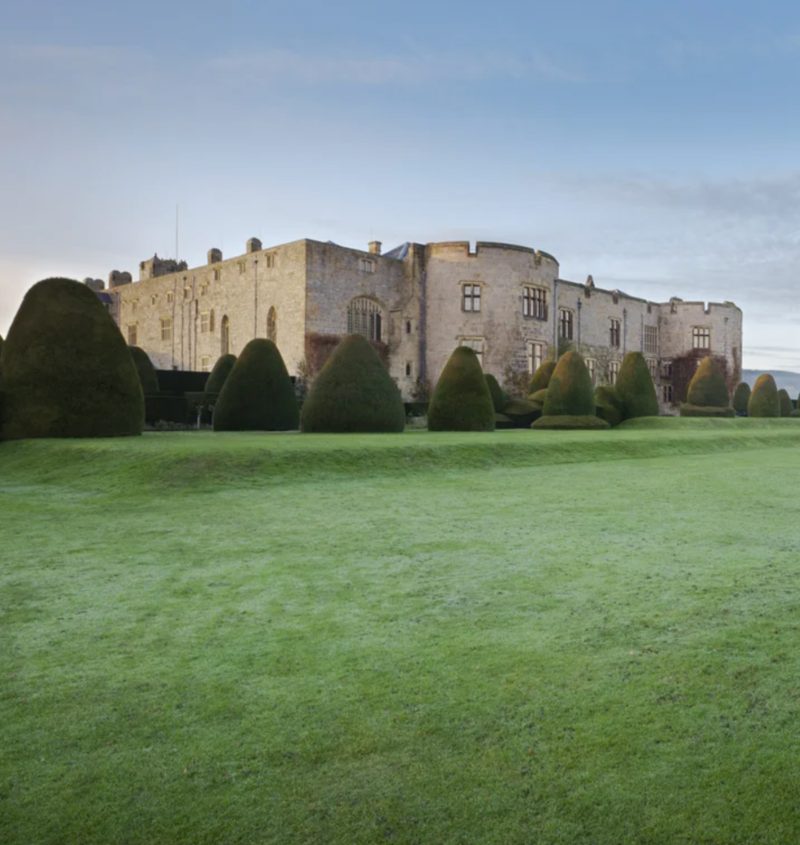
Chirk Castle
Constructed: 1295
Location: LL14 5AF – Chirk Castle sits just a stone’s throw from the English border, just 7 miles south of Wrexham. The surrounding area is known for its scenery, with impressive features such as the Chirk and Pontcysyllte aqueducts just a short distance away.
Best For: Everyone from history buffs to little ones. The castle is now owned by the National Trust, ensuring excellent facilities, including games and play areas and regular, seasonal events.
Important information: Chirk Castle and its grounds are free to visit for National Trust members; non-members will need to pay the entrance fee. Dogs are welcome in the outdoor spaces as long as they are kept on a lead and there is plenty of parking available on-site. Don’t miss the spooky two-level dungeons when you venture inside!
Built as part of King Edward I’s plan to keep the Welsh under English rule, Chirk Castle was never supposed to be a family home, but that’s exactly what it became when Sir Thomas Myddelton purchased it in 1595. It remained in the Myddelton family for over 400 years until 1978, at which point it was passed to the state. The National Trust took stewardship in 1981.
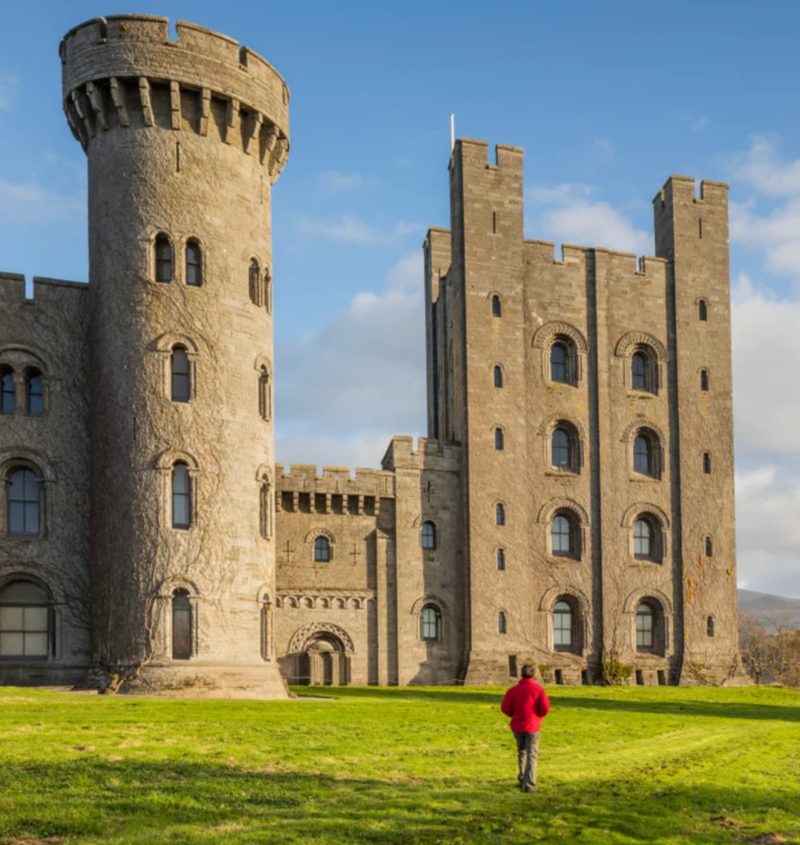
Penrhyn Castle
Constructed: 1820 – 1837
Location: LL57 4HT – Penrhyn Castle overlooks the banks of the Menai Strait from its picturesque spot near Llandygai, with a backdrop of Eryri to boot. It’s perfectly positioned between Anglesey and Snowdonia.
Best For: Guests of all ages – the Victorian kitchens are a particular draw for history buffs and school groups. It’s also a great location for fans of TV and film, as it has been used as a filming location for the James Bond film The World Is Not Enough and Netflix’s hit show The House of Guinness.
Important information: Penrhyn Castle and its grounds are free to visit for National Trust members; non-members will need to pay the entrance fee. Dogs are welcome in the outdoor spaces as long as they are kept on a lead and there is plenty of parking available on-site.
A vast Neo-Norman castle built on the site of the Penrhyn Estate from 1820 to 1837, Penrhyn Castle is famed for its opulent interiors and association with the local slate mining industry. Key features include the cavernous Grand Hall with its stained glass windows, the Grand Staircase with its striking lantern, and the state bedroom.
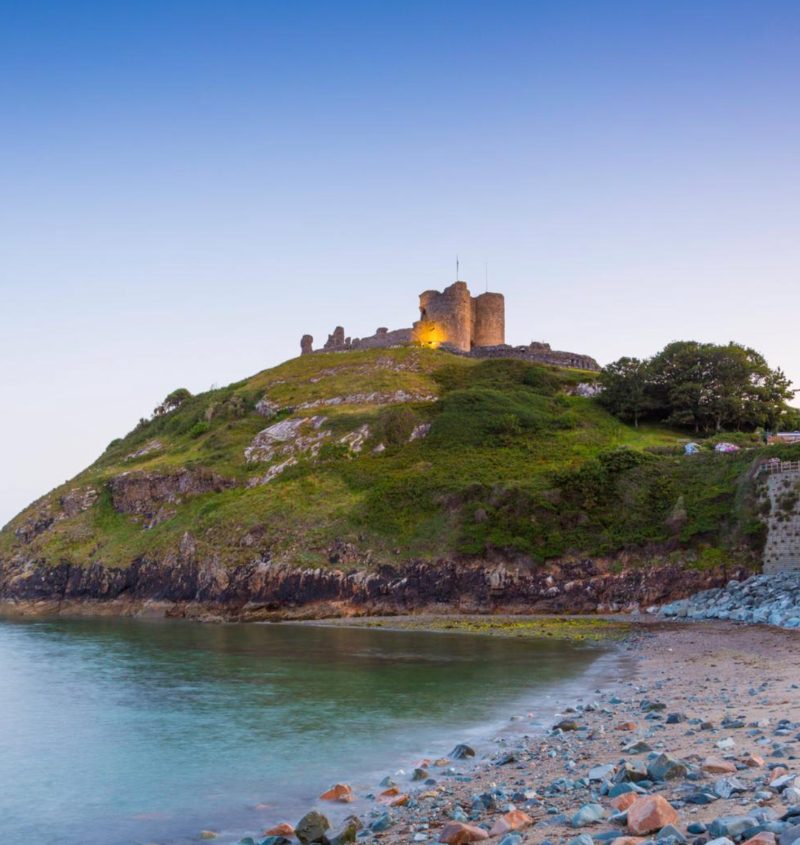
Criccieth Castle
Constructed: 1230 – 1327
Location: LL52 0DP – Criccieth Castle sits before the charming seafront town of Criccieth, atop a grassy knoll. It boasts beautiful views out across Cardigan Bay to the southeast, and the Llyn Peninsula to the west.
Best For: Those visiting and staying in Criccieth. While the castle is sparse in terms of facilities, it occasionally plays host to storytelling and mythology events and is perfect for combining your beach or independant shopping day with a little bit of history and culture.
Important information: Criccieth Castle is managed by Cadw, and so non-members will need to buy a ticket. Criccieth Castle is dog friendly, but they need to kept on a lead. There is no official car park; however, there are lots of parking spaces available throughout Criccieth itself.
Criccieth Castle is an impressive thirteenth-century castle that stands tall on a rocky headland. Built by Llywelyn the Great of the Kingdom of Gwynedd, this castle transports you back to an ancient era. Despite being constructed by one of Wales’ great kings, this craggy fortress wasn’t enough to withstand the invasion of Edward I. The English king made a few improvements of his own, equipping the north tower with a dungeons-and-dragons style stone-throwing Trebuchet to deter Welsh attacks. In 1404, when the castle was still in English hands, Owain Glyndwr took the castle back for Wales, and the town has remained proudly Welsh ever since.
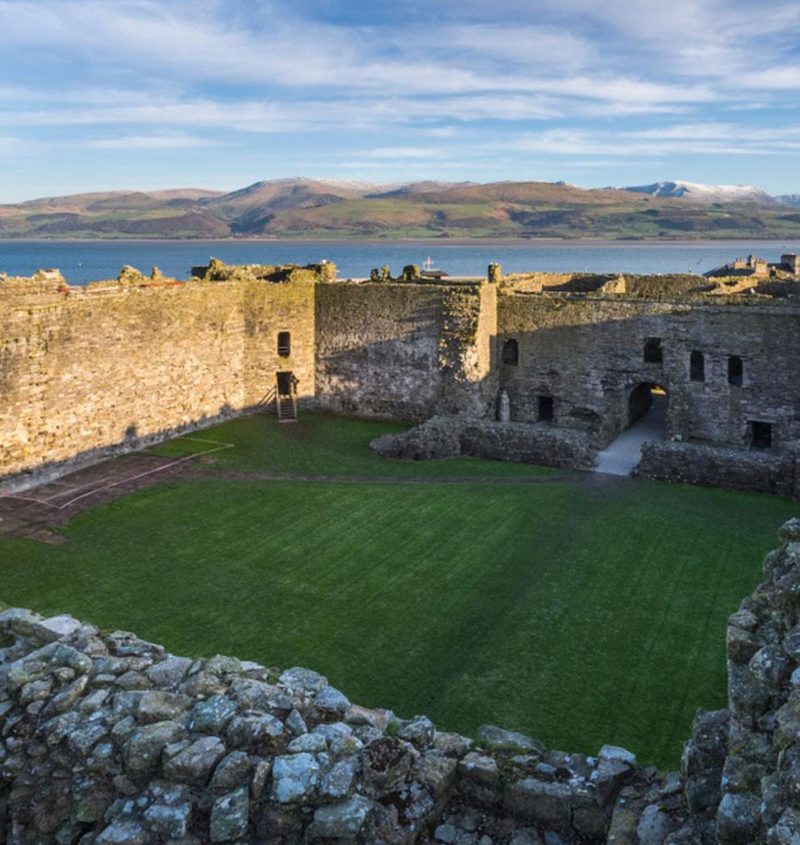
Beaumaris Castle
Constructed: 1295
Location: LL58 8AP – Beaumaris Castle sits beside the ancient town of Beaumaris on the Isle of Anglesey. The location was chosen by King Edward I for its spectacular and strategic setting on the Menai Strait, overlooking the peaks of Snowdonia.
Best For: Visitors to Beaumaris of all ages – history fans should follow up their castle visit with a trip to Beaumaris Gaol, while little ones will love the medieval-themed events here, such as Men At Arms and Knight Camp (click ‘more information’ below to find out more)
Important information: Beaumaris Castle is managed by Cadw, and so non-members will need to purchase a ticket. Beaumaris Castle is dog friendly, but dogs must be kept on a lead. There is a large pay-and-display car park adjacent to Beamaris Castle, which you can find at LL58 8AL.
Created in King Edward I’s campaign to take North Wales, Beaumaris Castle was meant to have a concentric look – just like Harlech Castle – but it was never finished. This earned it the nickname of ‘The Greatest Castle Never Built.’ What prevented its completion? Lack of money and trouble brewing in Scotland meant that King Edward I’s dream was never quite realised.
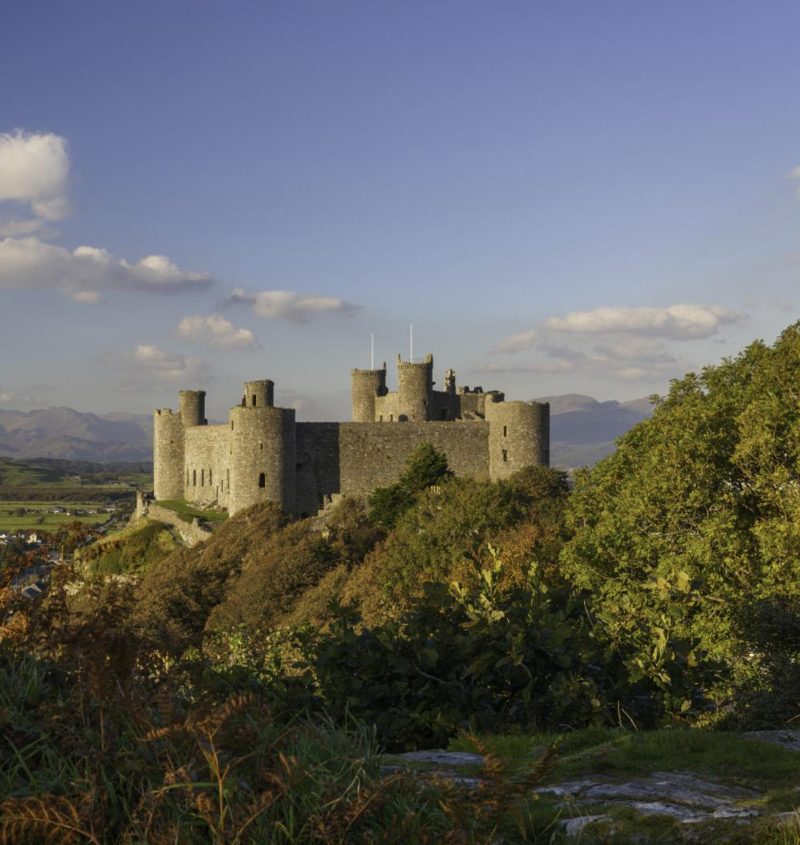
Harlech Castle
Constructed: 1283
Location: LL46 2YH – Harlech Castle cuts an imposing silhouette against the wild Irish Sea, standing proud atop a rocky outcrop where the mountains of Eryri meet the Cardigan Bay shoreline.
Best For: Situated in the upper part of the town centre, Harlech Castle is perfect for those wanting the very best of Welsh culture – you can even take on Fford Pen Llech during your visit if you feel like it – the street that once held the title of steepest in the world.
Important information: Harlech Castle is managed by Cadw, and so non-members will need to buy a ticket. Dogs are welcome on a lead. If you’re parking at Harlech Castle, spaces are available throughout the town.
Another medieval stronghold forming the Ring of Iron, Edward I constructed this fortress during his 1282 to 1289 Welsh invasion. However, the castle is also known for playing a role in the rebellion and subsequent uprising of Owain Glyndwr in 1404, inspiring the rousing Welsh ditty “Men of Harlech” and becoming a symbol of pride and resistance.
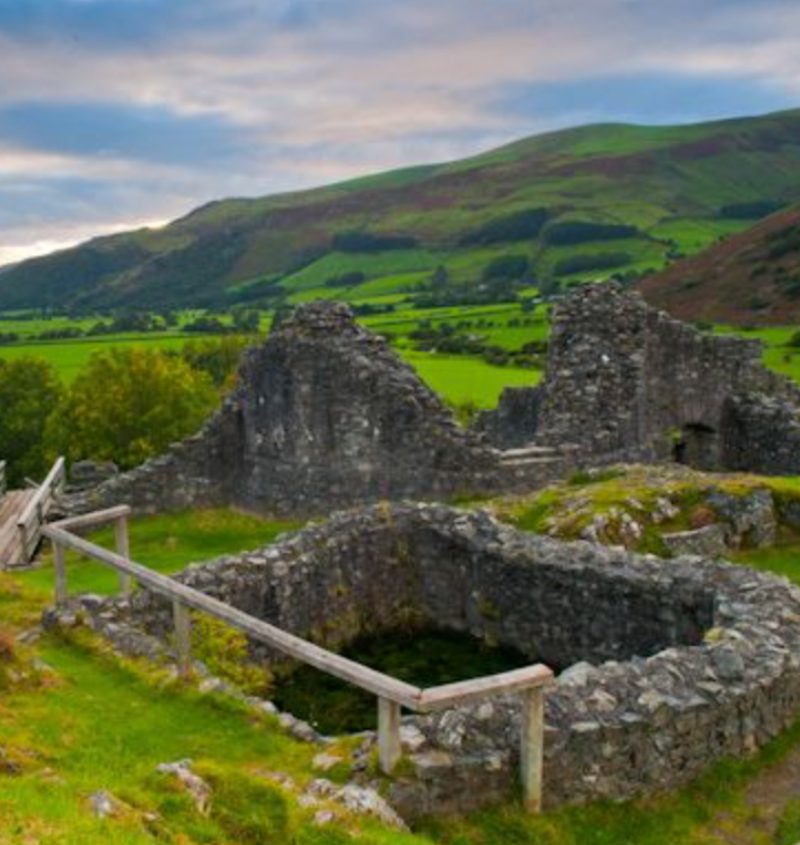
Castell y Bere
Constructed: 1221
Location: LL36 9TR – Castell y Bere is a remote ruin near Llanfihangel-y-Pennant, south of the Snowdonia National Park.
Best For: Keen hillwalkers, hikers and explorers venturing into the southern reaches of Snowdonia – we wouldn’t necessarily recommend this one for families or children due to its remote location and tricky terrain underfoot.
Important information: Castell y Bere is managed by Cadw, but it is free to enter. Dogs are welcome on a lead. There is a small, free car park with a picnic bench at the entrance to the site, although you’ll need to hike a little to get to it.
Located south of the Snowdonia National Park, Castell y Bere is a ruinous castle created by Lywelyn the Great to protect Gwynedd. While it once defended the south-west of the kingdom, today it isn’t as grand as its original form. But the castle offers a unique perspective into the past when you see what’s left of the harsh stone structures against the lush green scenery. Nearby, you can also experience the Cistercian Cymer Abbey and the industrial Dyfi Furnace.
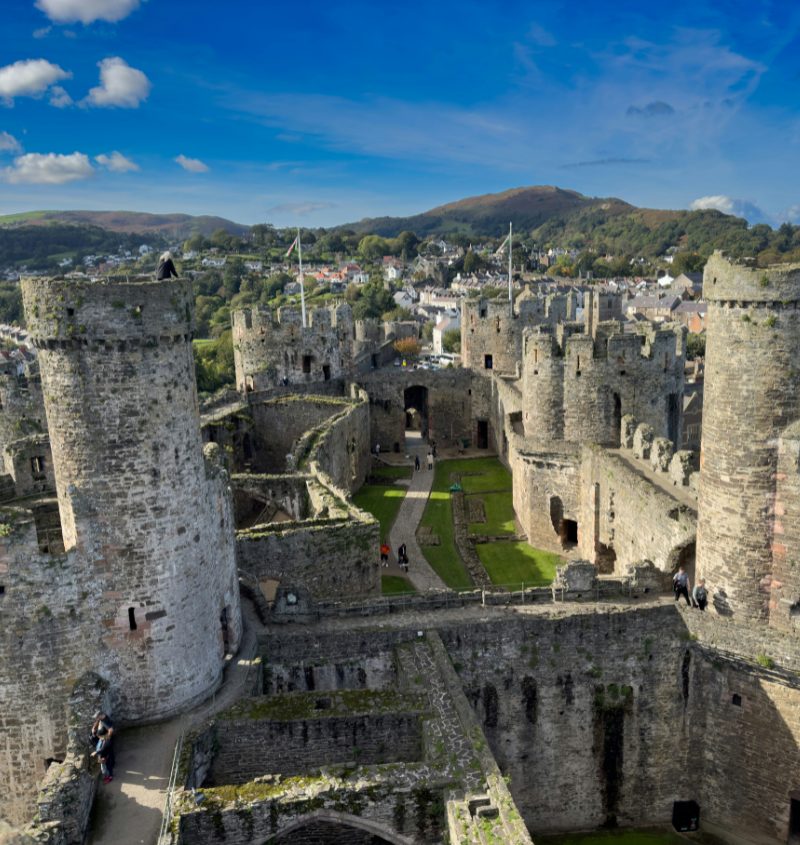
Conwy Castle
Constructed: 1283 – 1289
Location: LL32 8AY – Conwy Castle overlooks the River Conwy and has views towards Snowdonia. The castle rises from a rocky outcrop and dominates the town, making it one of North Wales’s most striking landmarks.
Best For: Visitors who want a classic Edward I fortress with excellent battlements, towers, and big views. It is especially good for anyone interested in well-preserved medieval military architecture – don’t miss a trip to Popty bakery on Castle Street for a delicious sweet treat afterwards.
Important information: Conwy Castle is managed by Cadw, and so non-members will need to pay an admission fee. Only assistance dogs are permitted on the site. Parking is available throughout the town.
One of the most famous castles in North Wales, Conwy Castle is a well-preserved, picture-perfect fortress. It’s also home to the country’s most intact set of medieval royal apartments — something truly special for any interior decor fans planning a visit! Now a UNESCO World Heritage Site, Conwy was one of Edward I’s costliest Welsh strongholds, but the cost certainly paid off – to this day, you can still walk a complete circuit of the battlements. If you’d like to continue a historical tour of this beautiful coastal town, a few minutes’ walk will take you to Plas Mawr, a striking Elizabethan Townhouse, and the Smallest House in Britain, located alongside the quay.
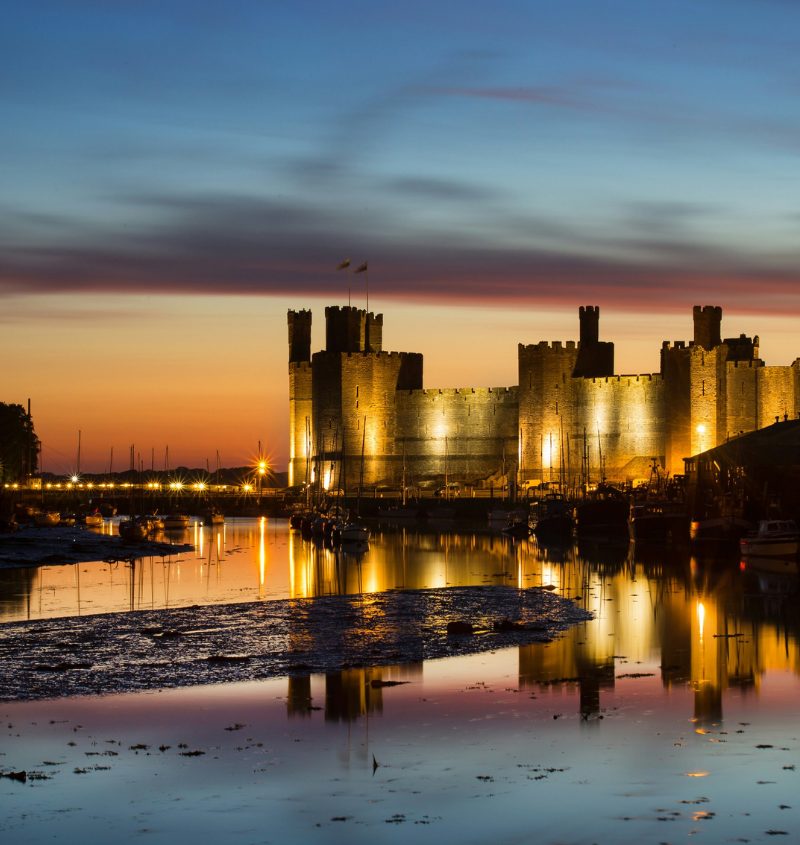
Caernarfon Castle
Constructed: 1283 – 1330
Location: LL55 2AY – Caernarfon Castle is perched on the mouth of the River Seiont. It dominates the town and sits within a medieval setting of streets and stone walls.
Best For: People looking for one of Britain’s most impressive castles, especially those interested in royal history and large-scale medieval design. It works well for visitors who want both the fortress and the bustling town around it – Caernarfon has lots of things to see and do.
Important information: Caernarfon Castle is managed by Cadw, and so non-members will need to pay an admission fee. Only assistance dogs are permitted on the site. Parking is available throughout the town.
Another of the best castles to visit in North Wales, Caernarfon is an iconic medieval fortress with a history that spans from the 11th century to the present day. Alongside being associated with King Edward I and Madog ap Llywelyn’s rebellion, Caernarfon is known for being used for the investiture of the Prince of Wales in 1911 and 1969. The castle is also a must-visit for any fan of Netflix’s The Crown, as the castle served as a filming location throughout season three.
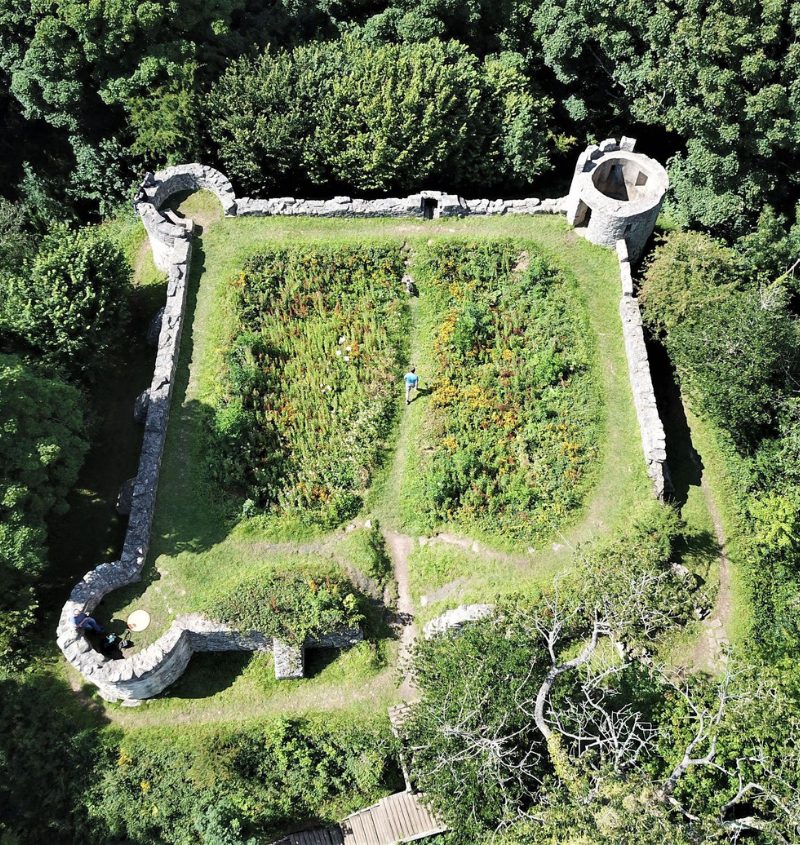
Castell Aberlleiniog
Constructed: 1080 – 1099
Location: LL58 8RN – Castell Aberlleiniog is near Llangoed on the Isle of Anglesey, a short distance from Beaumaris and beside the Menai Strait. It occupies a steep, strategic hilltop position.
Best For: Visitors who like lesser-known castles, early Norman history, and peaceful ruins. It is a good choice if you want something more off the beaten track than the major Edwardian castles.
Important information: The castle is completely free to visit and dogs are welcome throughout. Parking is available at Llangoed, Beaumaris LL58 8NN, but you’ll need to follow a woodland trail from here to the castle itself.
Castell Aberlleiniog is the oldest on the list and is a classic motte-and-bailey fortress on the Isle of Anglesey. Built by Hugh d’Avranches, the 1st Earl of Chester, this Norman structure was restored in 2008 and now remains permanently open to the public. As one of the lesser-known castles, it is a great place to experience Welsh history without the crowds. You might even spot buzzards on the castle walls if you’re lucky.
Stay in castle country
The eleven castles featured here are just the beginning. Wales has more castles per square mile than almost anywhere else in the world, and North Wales sits at the heart of that extraordinary legacy. Whether you’re following Edward I’s Iron Ring around the coast or combining a castle visit with a beach day in Criccieth or Beaumaris, there’s always something more to discover.
Browse our holiday cottages across North Wales and make one of these incredible fortresses the backdrop to your next break.